
The 24h of Innovation was successfully held for the second time as part of the TEAMIT+ training programme. This year’s edition brought together again young people for an intense 24-hour experience focused on creativity, innovation and teamwork.
The flagship event took place in France and was hosted by ESTIA with participants from France and Spain, while parallel events were organised in Jyvaskyla (Finland) by Tiimiakatemia and in Kozani (Greece) by CluBE.
A unique concept of innovation under pressure
The 24h of Innovation, originally created by ESTIA (France) in 2007, challenges participants to develop creative and innovative solutions within just 24 hours.
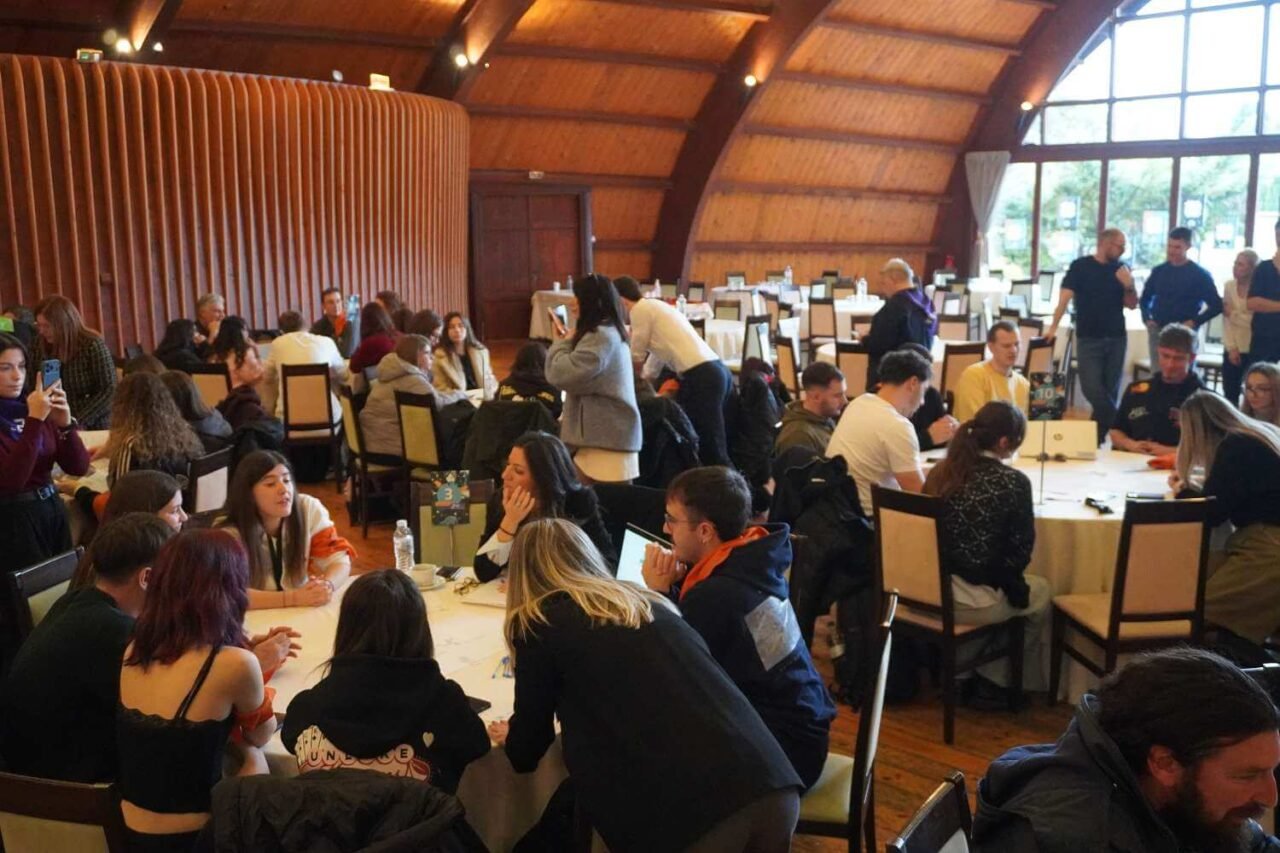
Working in multidisciplinary teams and guided by professionals and coaches, participants were asked to respond to real-life challenges proposed by companies from various sectors, including energy, sustainability, agri-food, technology, mobility, social innovation.
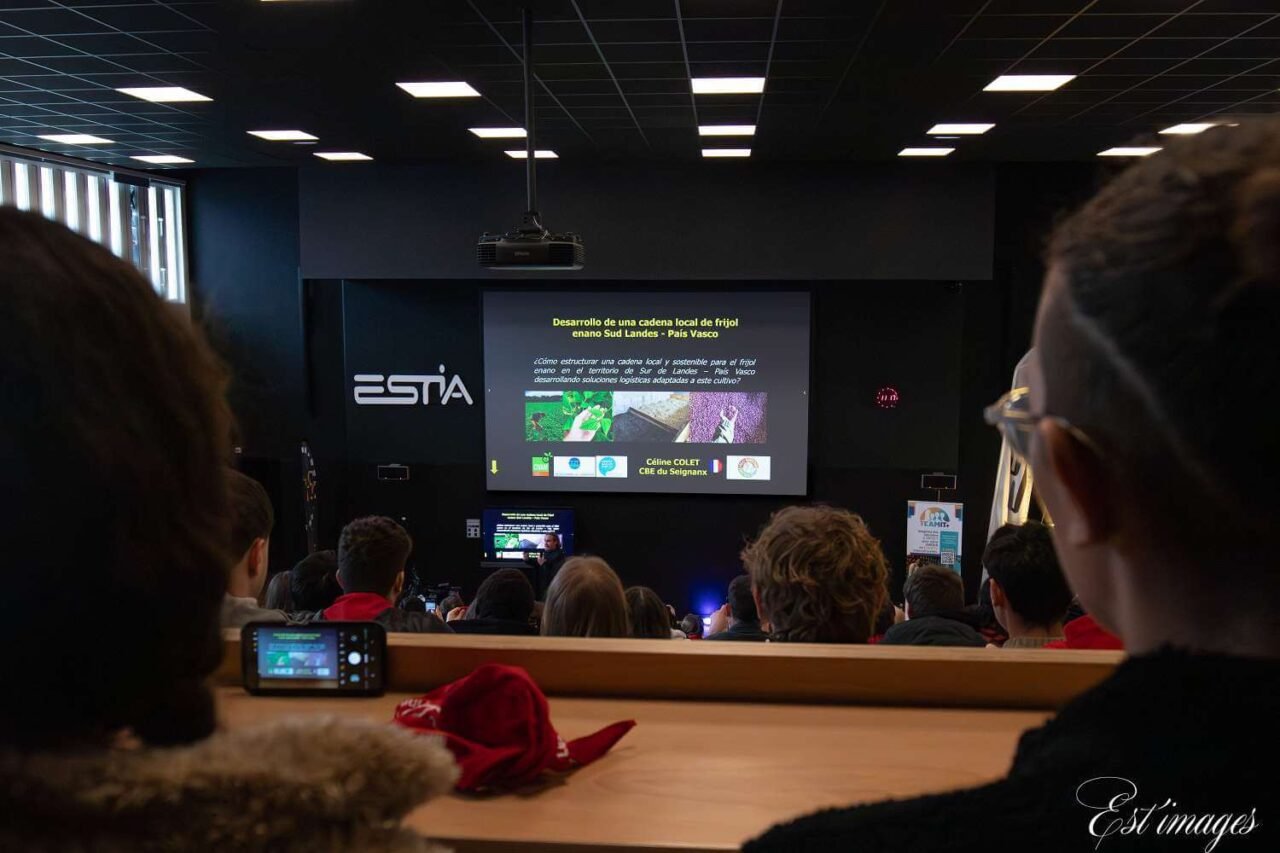
TEAMIT+ Ambassadors in Action!
In parallel, during the 24h flagship event in France, TEAMIT+ Ambassadors were also actively working! 12 young people from France, Spain, Finland and Greece, gathered to work together on their own booklets and discussing the issue of Food Waste.
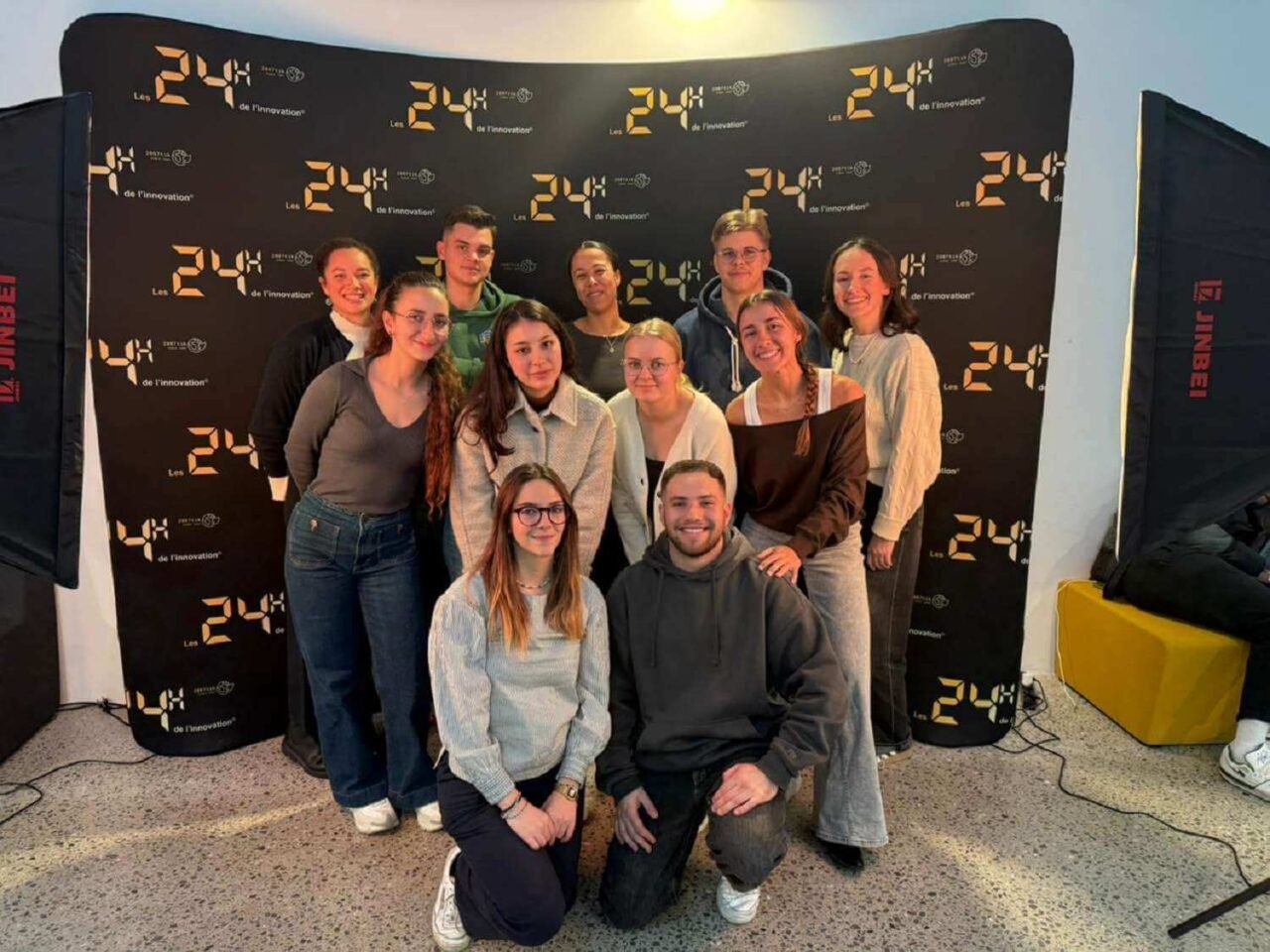
Challenges and winning projects
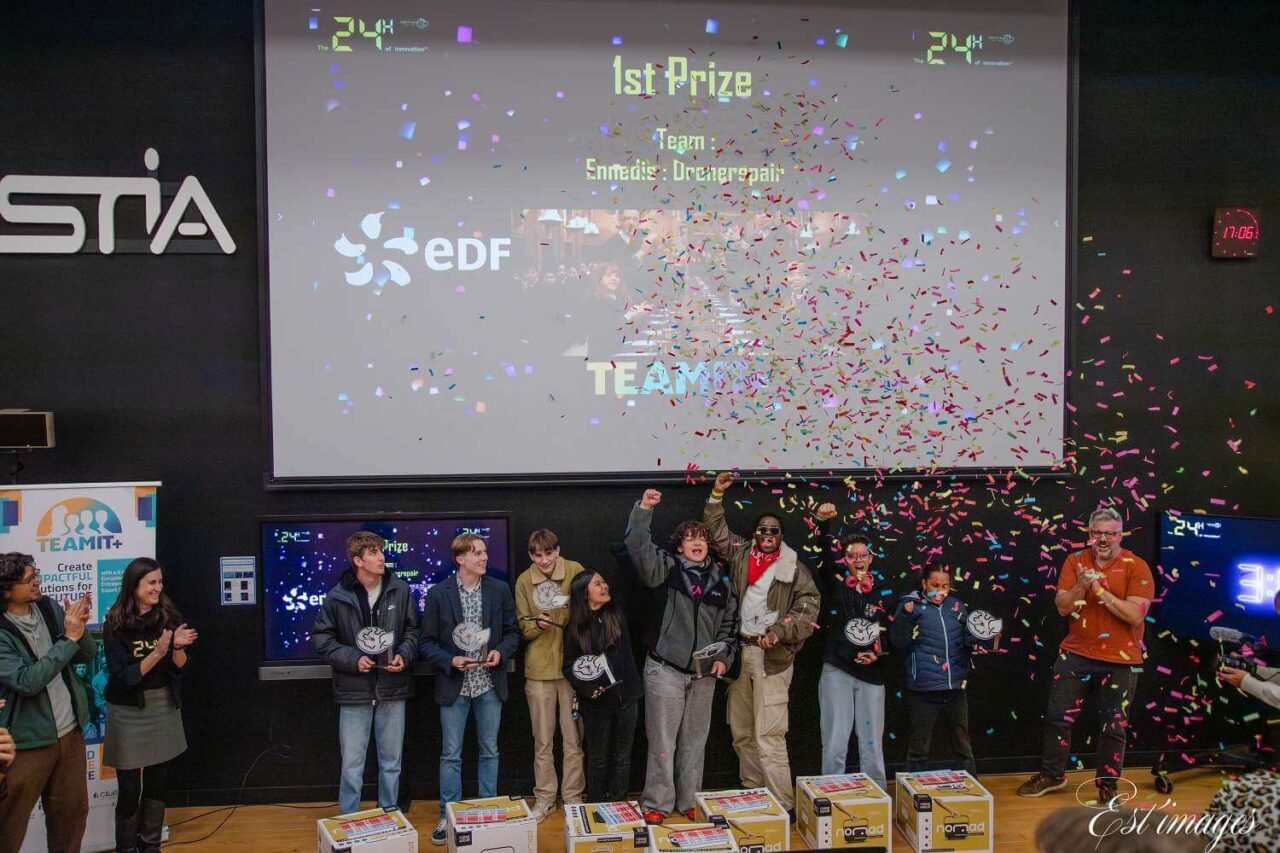
🇫🇷 France — Winning teams & challenges
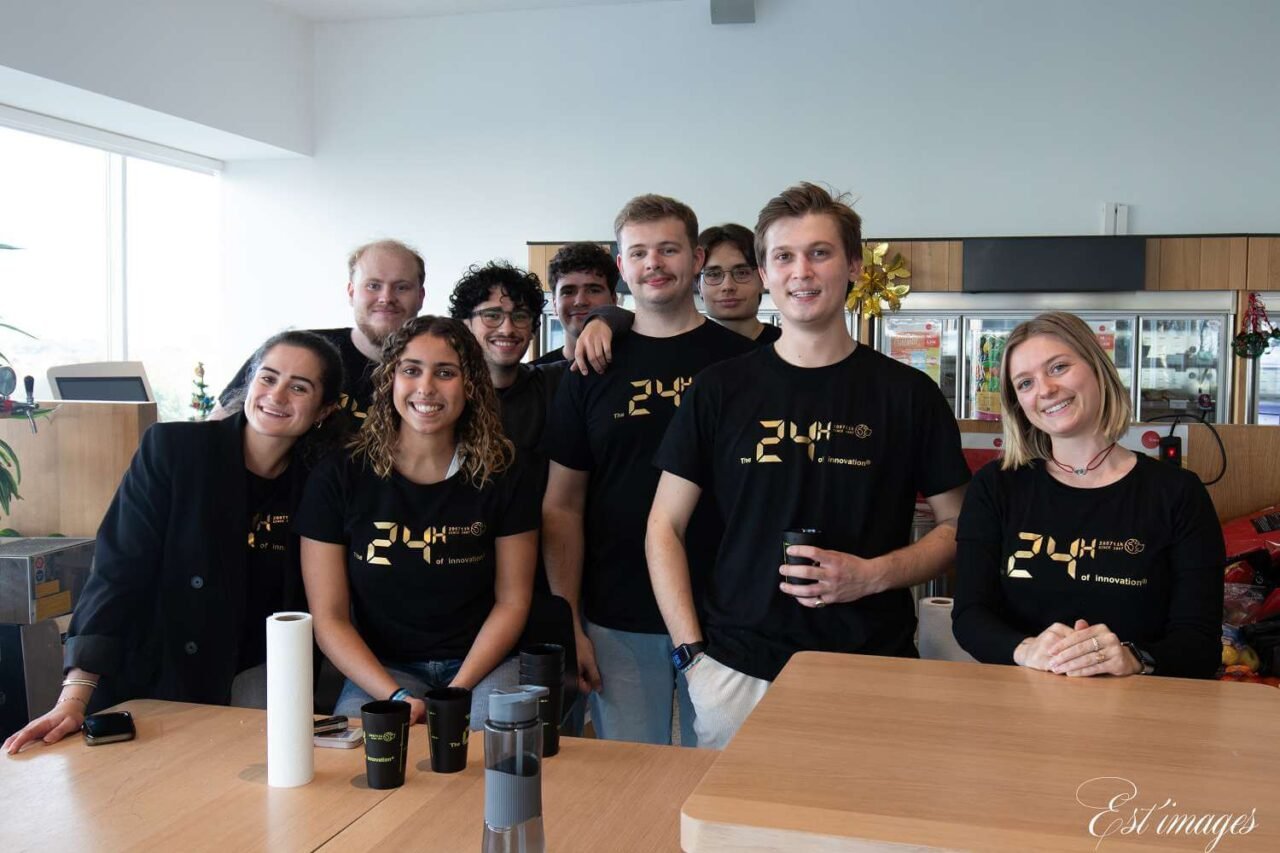
1st place: Dronerepair
Challenge by: ENEDIS
Topic of the challenge
Propose a drone-deployed robot that can perform interventions on our lines (examples: placing eyelets for unwinding repair, installing and removing bird devices, live-line interventions, cutting vegetation around the lines…) focusing on an application with potential (fewer outages, extended lifespan of the lines, etc.)
Suggested solution
The team discussed different technologies for the drone to repair the wires and identified the orbital welding machine technology as the most adapted to have a small device that could be carried by drones to repair the power wires. A bold idea, at the crossroads of robotics, drones, and electrical networks, with major prospects: fewer outages, more precise maintenance, and a longer lifespan for infrastructure. The drone carries the machine and drops it gently on the electric lines in the air. It has cameras that allow the user to see what is happening and control the reparation from the ground. The suggested technology was called “Pince’ ali” and the team managed to make the protype work during their presentation.
2nd place: Agrivoltaics 2.0
Challenge by: Agrosol project
Topic of the challenge
Today, a pilot Agrosol plant has a field with solar panels to demonstrate crops can grow under these panels. What will the second generation of agrivoltaic sites (crops + PV) look like? Imagine the next uses, the material and IT resources, the economic models, and the energy uses for human-scale sites.
Suggested solution
The team imagined a smart irrigation solution called “atmospheric water generator”. The farm will use the electricity generated by the solar panels to power on one side a machine producing hydrogen from air, and to feed batteries. The hydrogen will be used by the atmospheric water generator to produce water for crops irrigation. This solution is designed to be used in isolated locations even in desert areas with low humidity and very hot periods. This optimized system works in autonomy, the solar panels protect the crop, and the proposed generator ensures water availability all year. The proposal includes an application with a dashboard to help the producer monitor and control their production.
3rd place: Fighting biological fouling without polluting the oceans
Challenge by: ADT4Blue
Topic of the challenge
Fighting Biological Fouling: Towards Cleaner and More Efficient Ships
How can we prevent biological fouling to make ships cleaner, more efficient, and more environmentally friendly?
Suggested solution
This international, interdisciplinary team used biomimicry to imagine the suggested double approach solution, based on nature. The first idea was inspired by dolphin skin who is naturally cleaned by bacteria. The team thus suggest producing a biofilm spray based on bacteria to apply to the ship as a preventive measure. This is a self-renew bacterial liquid that will be produced by adding nutrients to a starter product, similarly to the sourdough starter or kefir grains. The second idea is inspired by remora or shark sucker to create a maintenance device. It combines a low-tech approach with some high-tech features such AI data analysis and IoT (Internet of things). This maintenance device will scan the boat and will clean the biological fouling when and where needed.
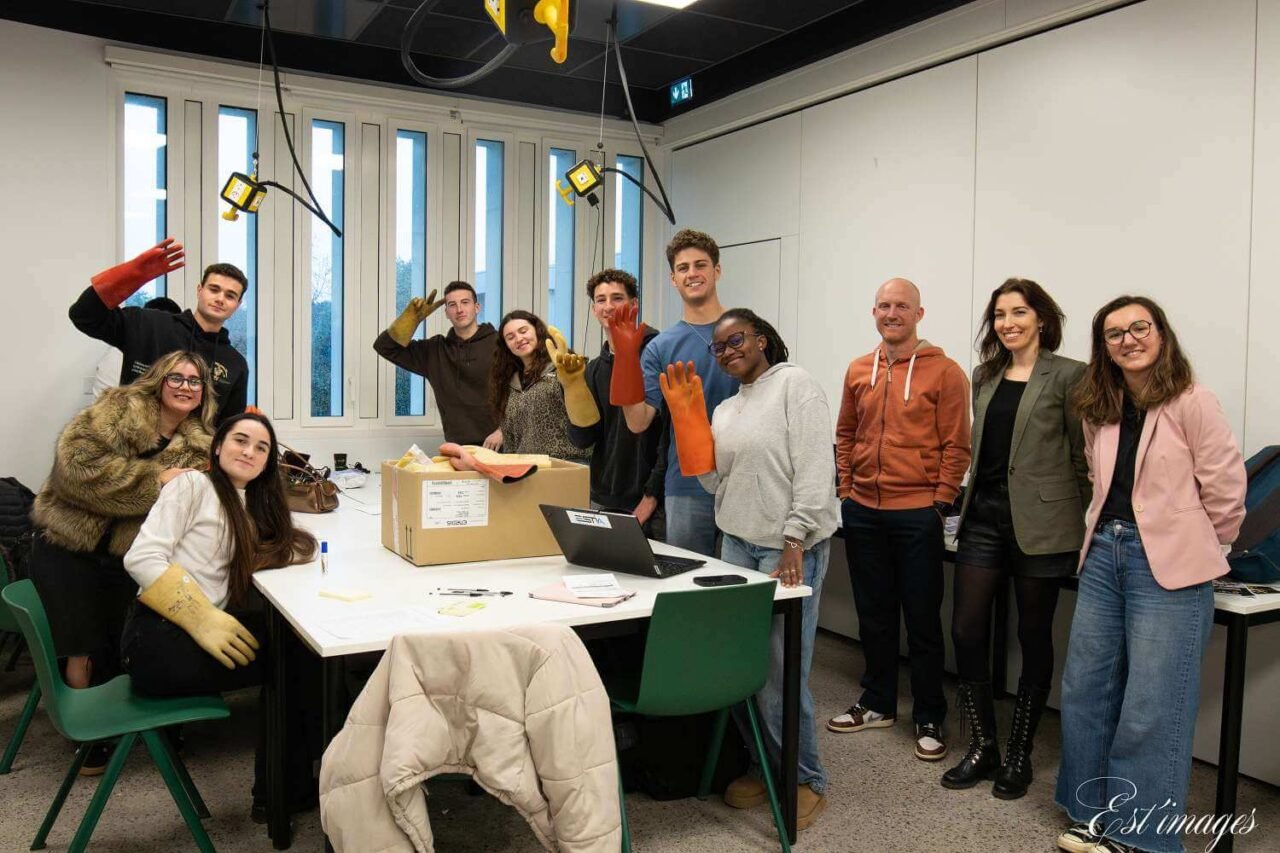
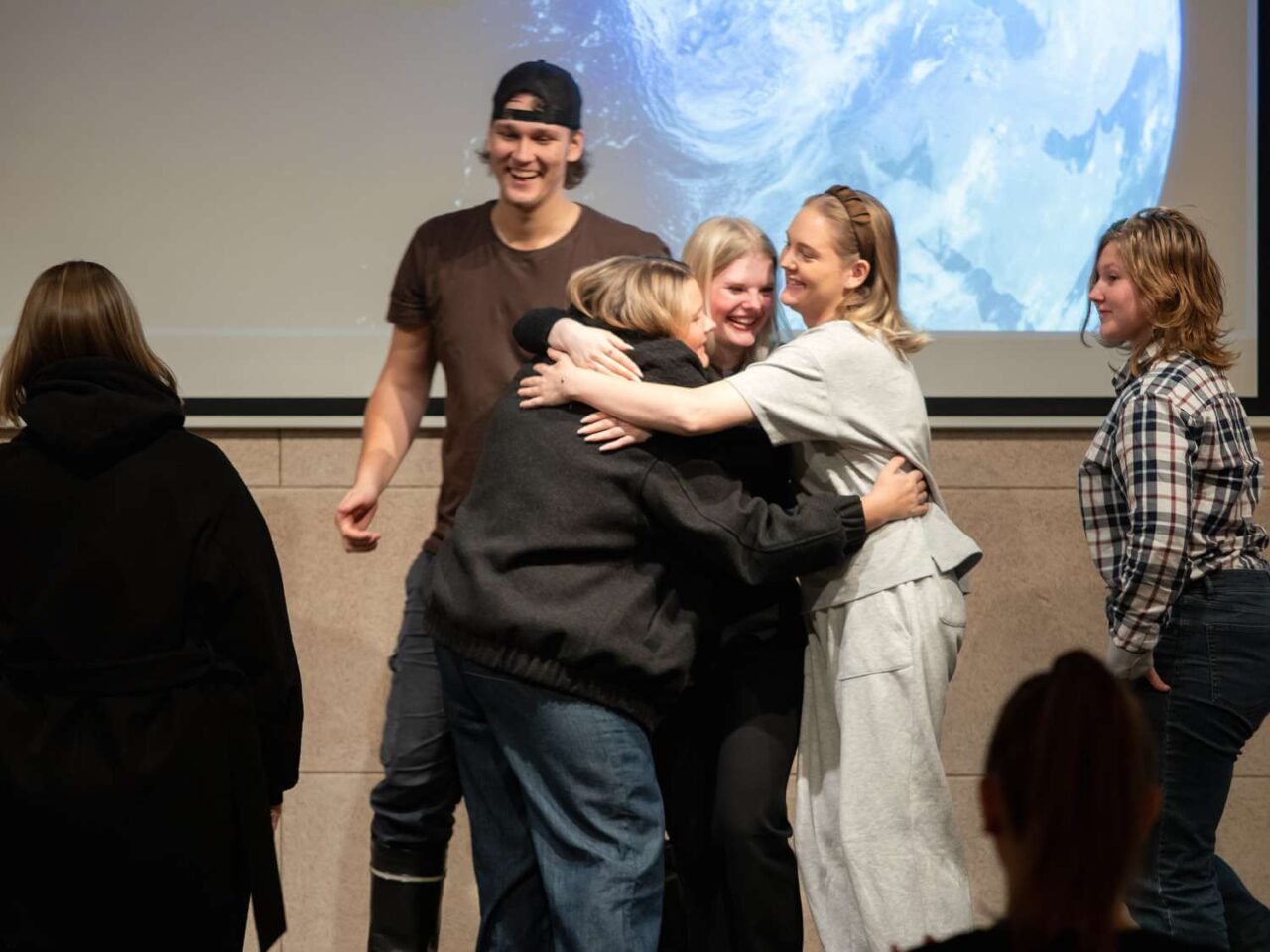
🇫🇮 Finland — Winning teams & challenges
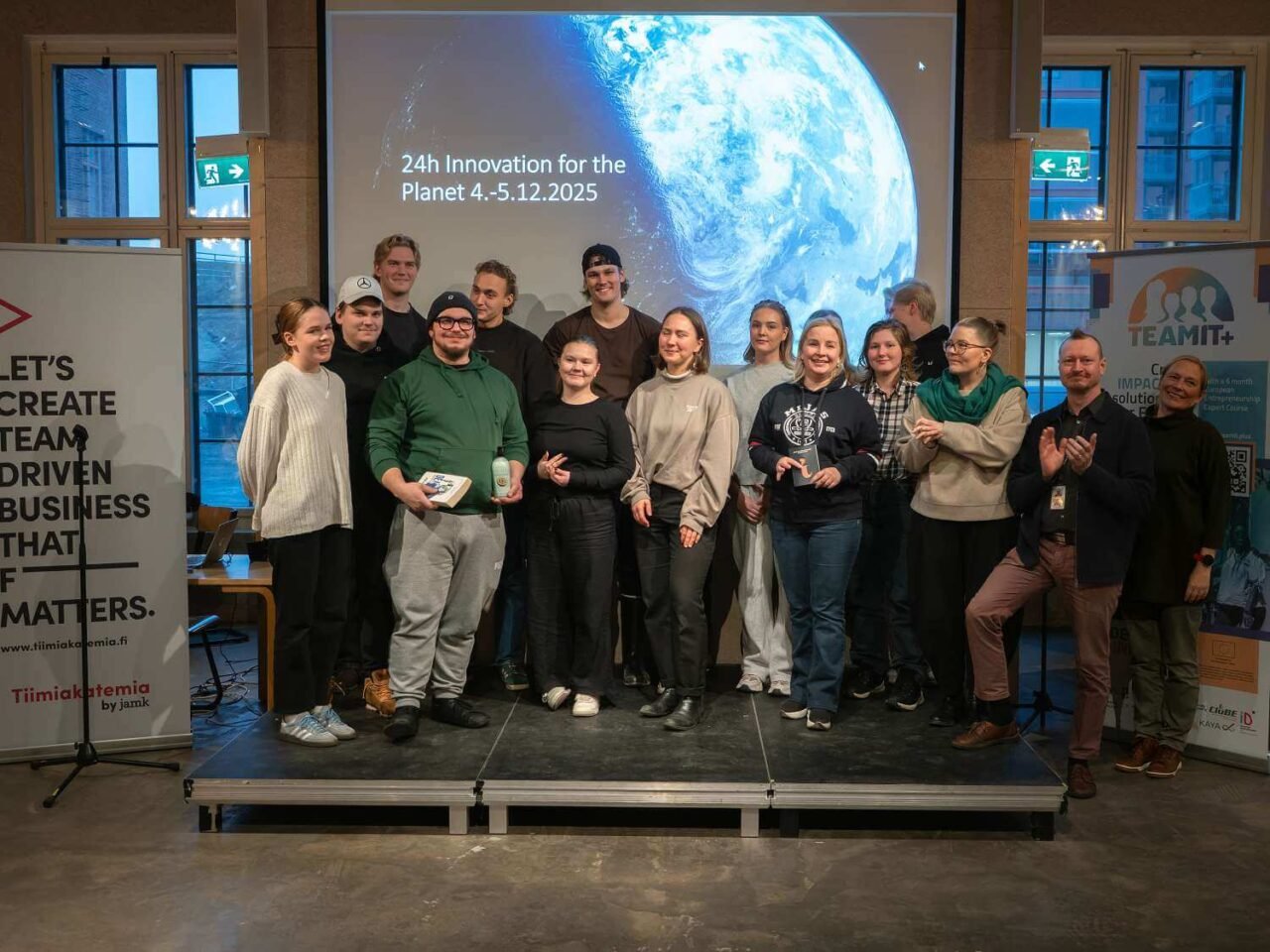
1st place
Challenge by: Jyväskylä University of Applied Science, Sustainable Development Working Group
Topic of the challenge
What kind of responsible student event concepts would make it comfortable to attend both alone and with others? What kinds of activities could encourage students to reach out to new people?
Suggested solution
User-centered thinking, a genuine need and responding to it. Concreteness and immediate feasibility. Purchasable and implementable, genuinely user-driven. Brought to completion within a short timeframe. A good and clear choice to focus on social responsibility, and in the jury’s opinion the E and G of ESG can be easily integrated alongside the guide, serving as encouragement for further development.
2nd place
Challenge by: Poweresta
Topic of the challenge
How can a restaurant build a competitive advantage based on sustainability that increases customer trust, attracts new customers, and improves profitability among young customers aged 18–30? How can sustainability in the restaurant industry be communicated and made visible to young people (18–30 years old) in a way that genuinely influences their choices and purchasing behaviour?
Suggested solution
The courage to take the metrics further and to simplify. Value creation across the entire value chain — customers, restaurants, and Poweresta (e.g. competitiveness among young consumers, Poweresta’s data, competition between restaurants, and the brand and sales value of the service itself for acquiring new restaurant customers). A fairly complete responsibility setup was given to the group, so creativity was not as strong, but responsibility was a clear strength in this work.
3rd place
Challenge by: Smooth Sunday
Topic of the challenge
How could Smooth Sunday build a customer experience where sustainability is visible at every stage, without taking away from the brand’s playful atmosphere?
Suggested solution
Direct, well-considered, and refined responsibility-related responses to the client brief. Feasibility, with creativity and a sense of timeliness well integrated.
🇬🇷 Greece — Winning teams & challenges
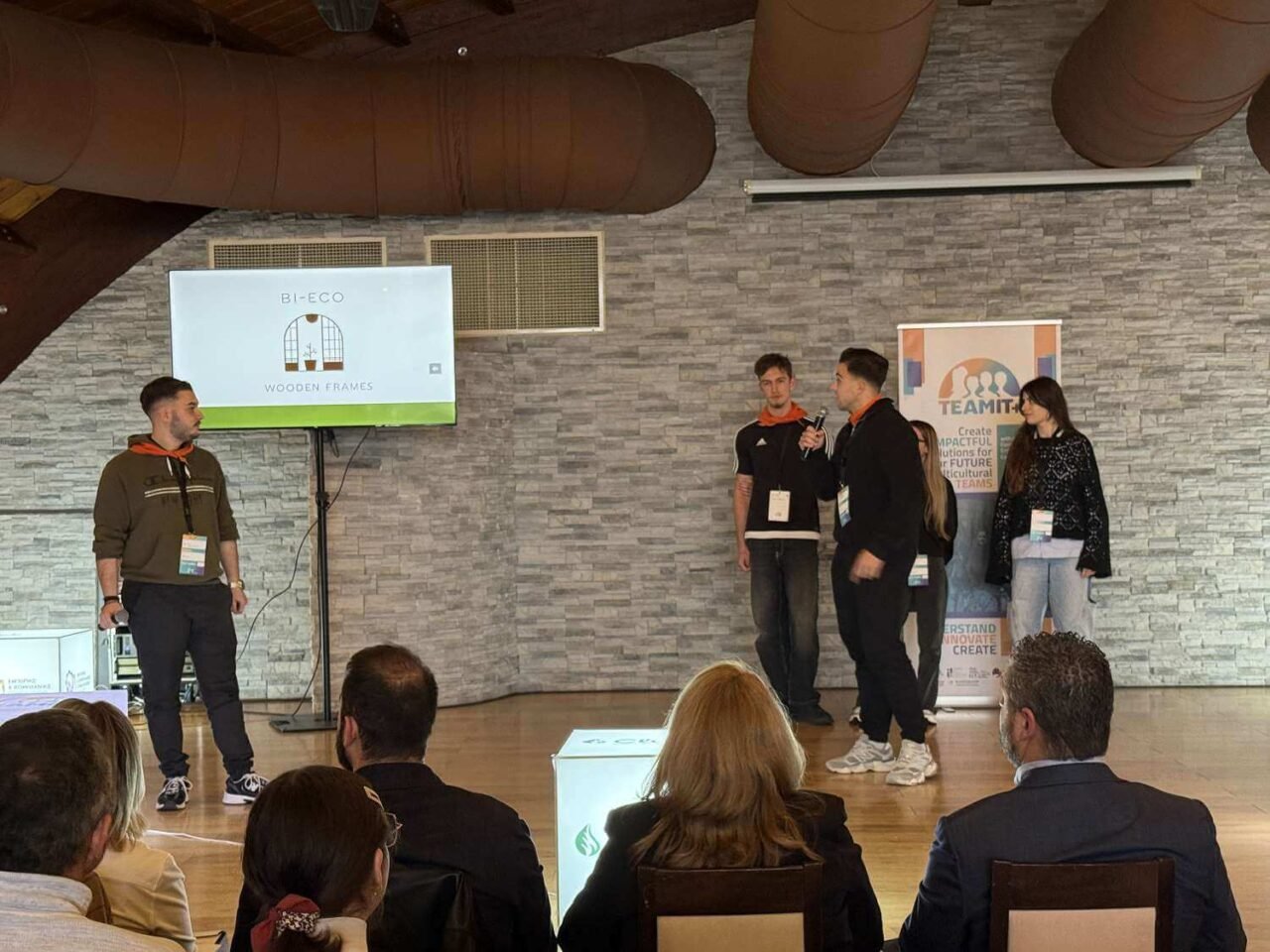
1st place: BI-ECO team
Challenge by: VIEKKO
Topic of the challenge
How can the energy efficiency of wooden window and door frames be improved while remaining competitive with PVC and aluminum systems in terms of cost and repairability?
Suggested solution
By constructing premium German-type wooden frames using Accoya wood, advanced nanocoatings, wooden frames can deliver excellent thermal performance, long lifespan, and low maintenance while remaining a sustainable, circular solution.
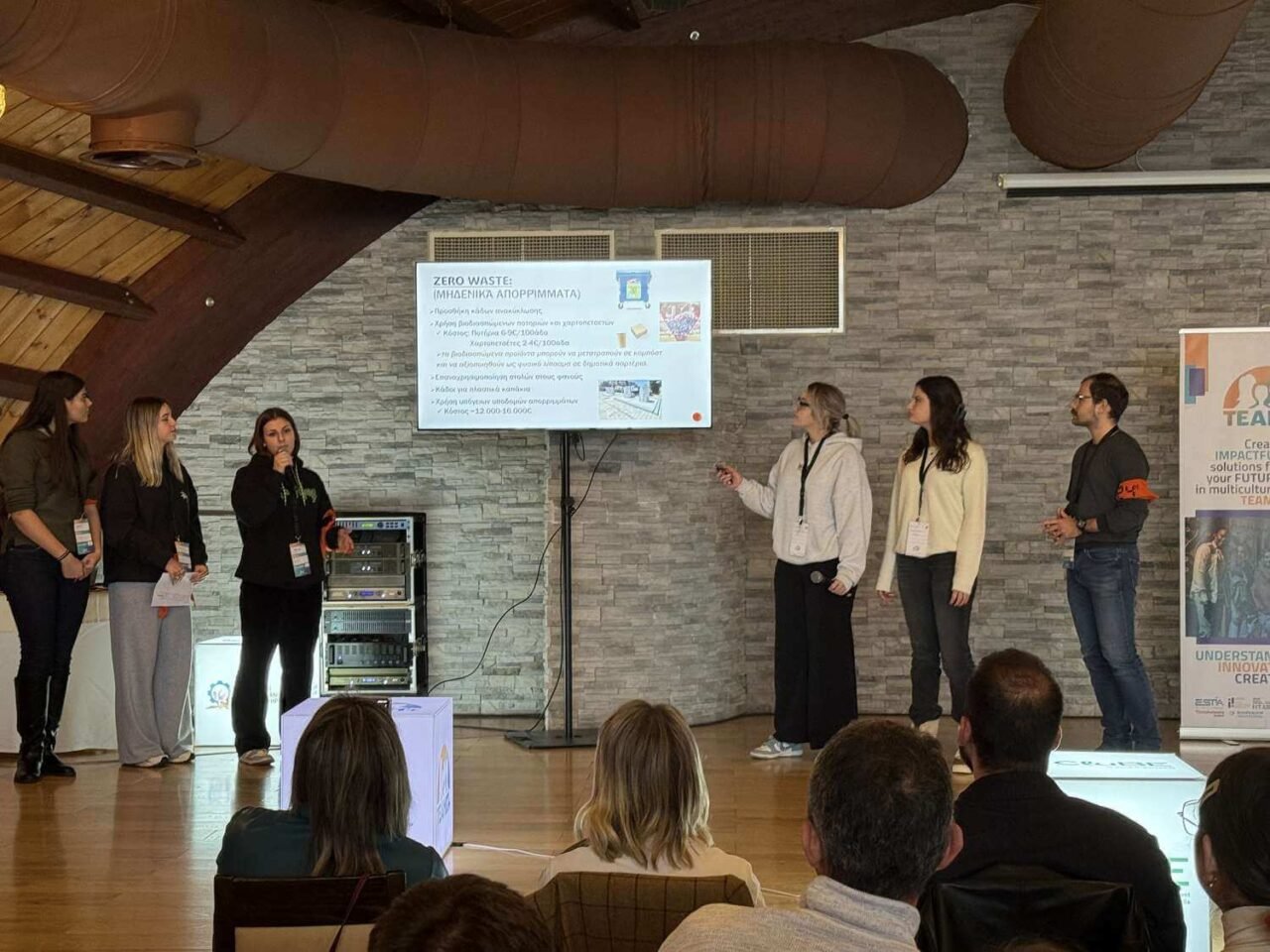
2nd place: KozaNew team
Challenge by: ANDIKO
Topic of the challenge
The challenge addresses the environmental, social, and energy impact of the traditional “Fani” festivities in Kozani.
Suggested solution
A holistic “3Z” intervention model for neighborhoods, under the EcoZani concept:
• Zero Waste (Recycling bins, biodegradable cups & napkins,reuse of costumes)
• Zero Emissions (Solar-powered street lighting with fast payback)
• Zero Exclusion (Ramps on pavements and public areas, accessible stage with ramp during festivities)
• Τheir plan also includes the use of nitrogen-fixing plants and plant species with high CO₂ absorption capacity
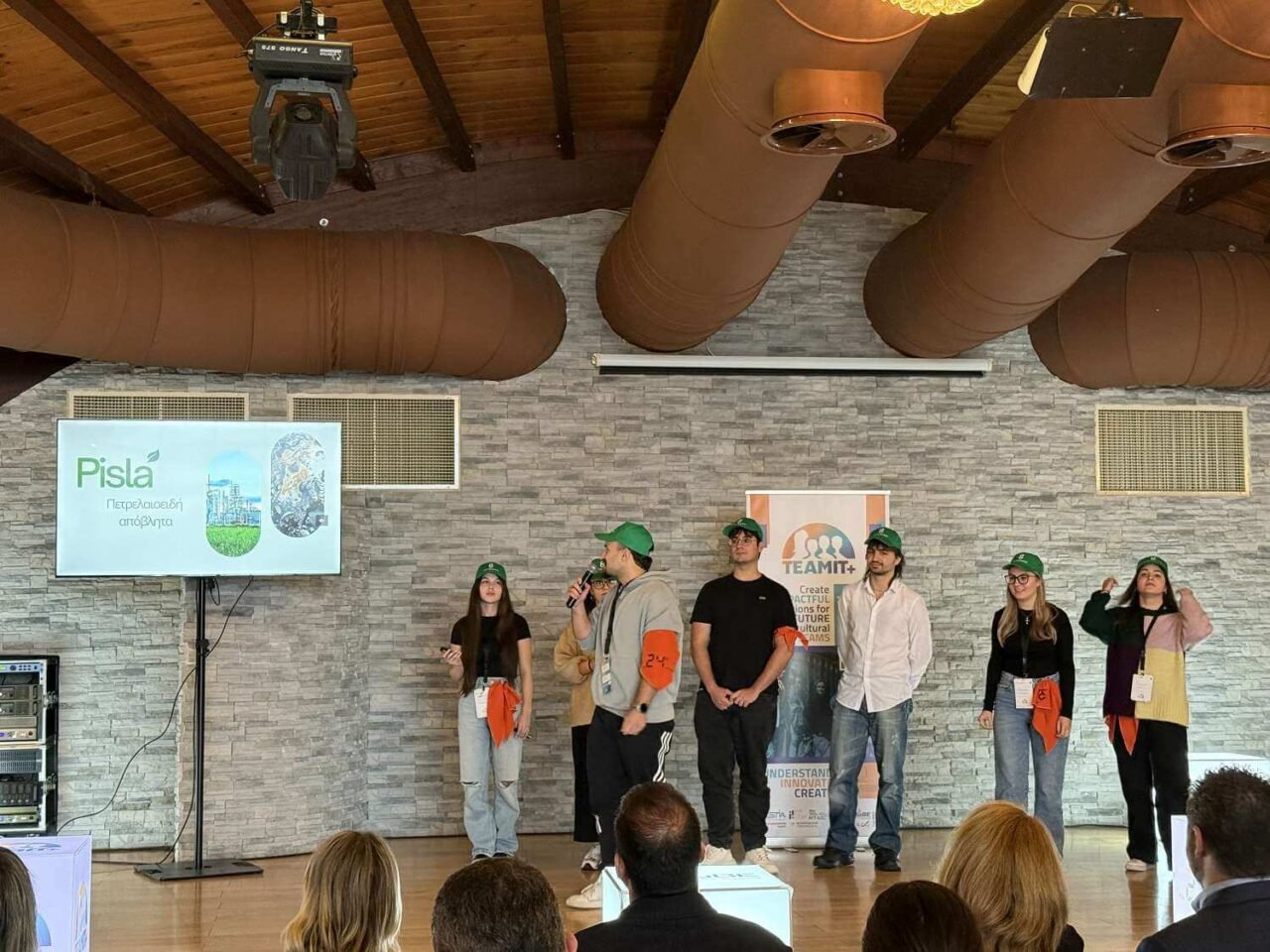
3rd place: Pisla team
Challenge by: INTERGEO HELLAS
Topic of the challenge
How can circular economy principles be applied in a petroleum waste management facility?
Suggested solution
Redesigning the facility to prioritize resource hydrocarbon separation, reuse of materials, renewable energy integration, and extended equipment lifecycles—the unit can shift from waste disposal to a circular, low-carbon, and value-creating operation.
Beyond the competition, the 24h of Innovation offered participants a unique opportunity to collaborate, exchange ideas and strengthen key skills such as teamwork, communication, creativity and problem-solving.
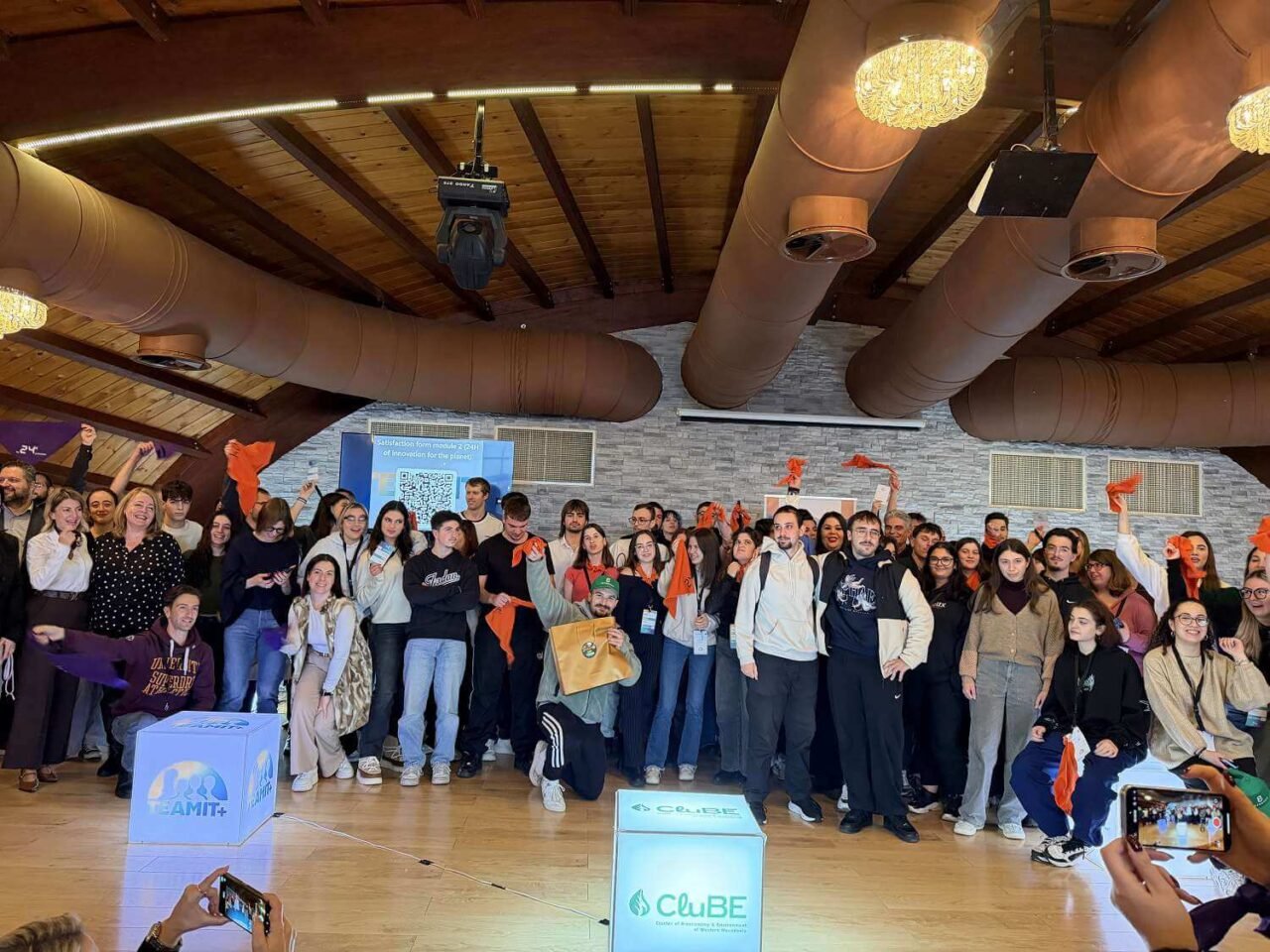
The parallel organisation of the events created a shared European experience, while allowing each location to bring its own dynamic and local perspective to the challenges.
For many participants, the 24h of Innovation also served as a networking and career opportunity, offering direct contact with company representatives and innovation ecosystems.
What’s next?
The journey continues with Module 3 of the TEAMIT+ programme, where selected participants from Modules 1 and 2 will focus on turning ideas into action.
A total of 40 participants (10 per country) will be selected based on an application including a letter of motivation and a video to be sent by 9th of January 2026 to social4impact@teamit.plus address. The participants will then meet in person in Greece and in Bidart to further develop their entrepreneurship ideas with the support of international coaches, collaborating across Europe.
Let’s keep innovating for a more sustainable future!